In Beijing, Shanghai, Guangzhou, Shenzhen, and many other large cities, the metro is one of the easiest ways for a first-time visitor to move around.
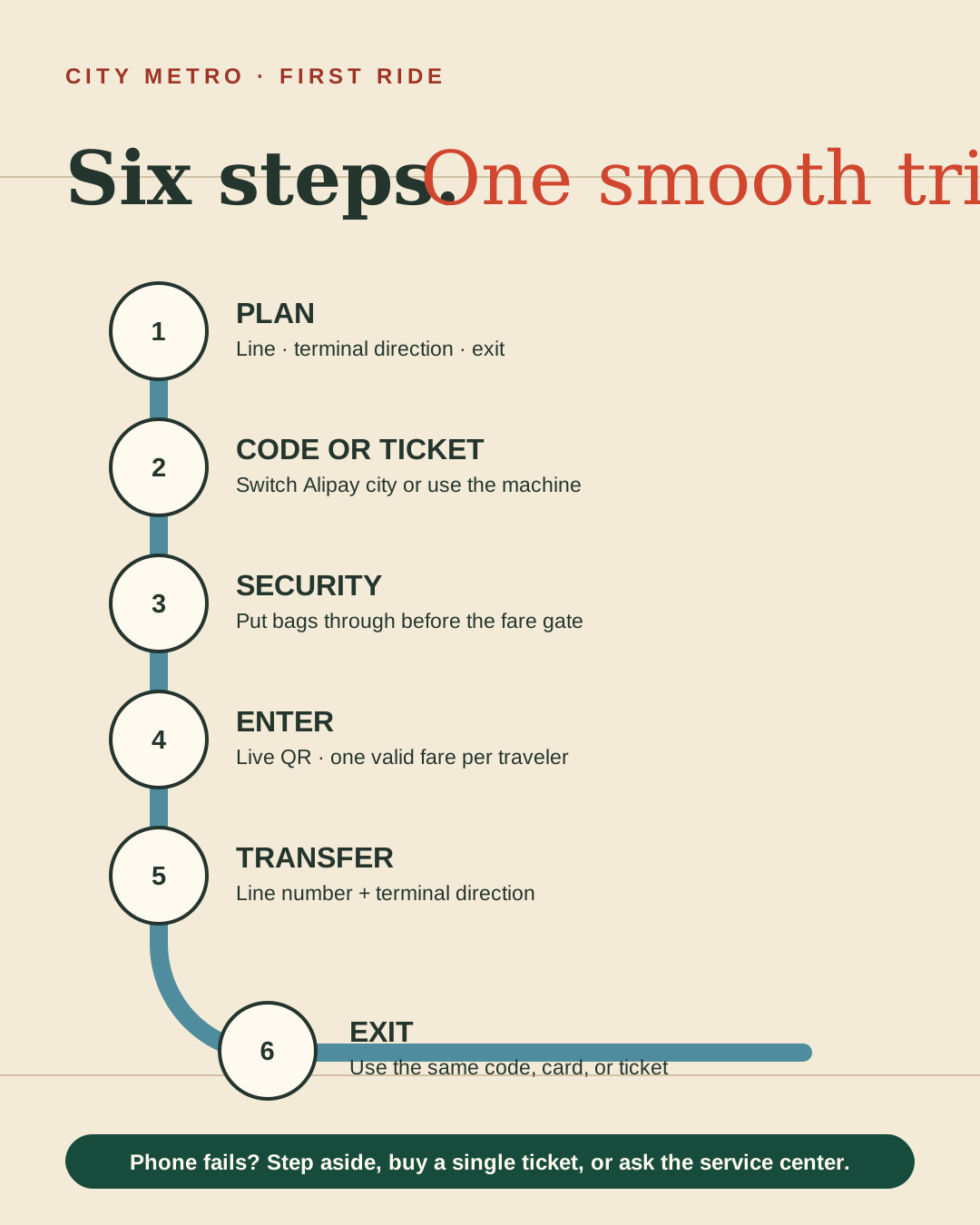
Remember six steps:
- Plan the line and direction.
- Open the city’s Alipay transit code or buy a ticket.
- Put bags through security.
- Scan or tap through the gate.
- Follow line number, color, and terminal direction when transferring.
- Use the same code, card, or ticket to exit.
1. Plan the line, direction, and exit
Use AMap Global to check the line number and color, entrance, terminal station for your direction, transfer station, destination exit number, and last-train time.
A station may have many exits, and Exit A can be far from Exit F. Save the exit number and destination’s Chinese name before arriving.
Bottom line: The map tells you which line, direction, and exit to use. The transit code only handles the fare and gate.
2. Open a local code or buy a ticket
Alipay local transit code
Open Transport in Alipay, switch to your current city, choose Metro, and complete the on-screen identity and payment setup. The result is a dynamic QR code.
Codes, funding methods, identity requirements, and covered lines differ by city. A code activated in Shanghai is not proof that the same setup works throughout China.
Single ticket
At a ticket machine, select English, destination, and number of passengers, then use an accepted payment method. Some machines may not accept every foreign bank card. Keep the ticket until you leave; follow the gate picture to tap or insert it.
Local transport card, official app, or bank card
For a longer stay, ask about a transport card or the city’s official metro app. Support for English, overseas phone numbers, passports, and international cards changes.
Some cities or lines accept eligible contactless foreign cards. Beijing, for example, supports certain overseas Visa and Mastercard use, but that is not a nationwide rule. Look for the gate symbol and current local guidance.
Bottom line: Try the local Alipay code first. If it fails, buy a single ticket instead of repairing an account at the gate.
3. Pass security, then enter
Chinese metros generally screen bags before the fare gate. Put your backpack or suitcase on the conveyor, pass through the check, collect everything, and then scan, tap, or use the ticket.
Sprays, knives, flammable items, batteries, and other objects may be banned or limited. Rules differ by city and are separate from flight and high-speed-rail rules.
For an Alipay QR code:
- open the live code rather than a screenshot
- turn up screen brightness
- use the QR reader shown on the gate, not the bank-card contactless pad
- give each traveler their own valid fare method
- step aside and ask staff if scanning fails
4. Check the platform direction
Do not rely on line color alone. Confirm the line number, terminal station for your direction, next stop, and whether your destination appears on the platform map.
If both platforms show the same line, use the terminal direction and next station to choose. Show staff the Chinese destination name if you are unsure.
Bottom line: The correct line in the wrong direction is still the wrong train.
5. Transfer without following the exit crowd
At the transfer station, follow the target line number, color, and Transfer signs rather than Exit. Then confirm the terminal direction again before reaching the new platform.
Most in-station transfers do not require a new ticket, but local layouts and a few transfer types differ. Large interchange corridors can be long, so “one transfer” may still involve a substantial walk.
6. Exit with the same fare method
Use the same city QR code, transport card, or bank card that you used to enter. Follow the picture for a single ticket; some systems collect it at the exit gate.
If a fare, balance, or entry record causes a problem, take the original fare method to the service center. Do not force the gate. After leaving, follow the saved exit number; a wrong exit can create a long street-level detour.
Simple metro etiquette
- Queue and let passengers leave first.
- Do not block or rush closing doors.
- Stay behind the platform safety line.
- Offer priority seating to people who need it.
- Keep bags off seats, doors, and aisles.
- Keep calls, videos, and music quiet.
- Follow local escalator signs instead of assuming one nationwide standing side.
- Follow city rules for food, drinks, pets, bicycles, and large luggage.
- Keep children with you at gates and near platform edges.
During the rush, prepare to leave one stop early without blocking people getting off. Missing one train is safer than pushing through a closing door.
If your phone or route fails
- No battery: buy a single ticket or ask at the service center.
- Alipay will not open: step away from the gate and use a ticket.
- QR will not scan: raise brightness, check city and data, then ask staff.
- You rode too far: leave at the next stop and take the opposite direction.
- You cannot exit: keep the original code, card, or ticket and visit the service center.
- You cannot find the direction: show staff the Chinese destination and route screenshot.
Final answer: Use AMap to plan and a local Alipay code or ticket to enter. Pass security before the gate, use line number plus terminal direction for transfers, and keep the same fare method until you exit. If your phone fails, a single ticket and the service center are the simplest backup.
Continue reading
- Essential Apps for Your First Trip to China
- How to Buy and Ride a High-Speed Train in China
- How to Get Mobile Data in China
- Your First Trip to China: The 72-Hour Checklist
Sources checked for this update
- China Government, Guide to Working and Living in China (2025), checked July 19, 2026
- Current passenger and security rules from the Beijing, Shanghai, Guangzhou, and Shenzhen metro operators, checked July 19, 2026
- Current Alipay English transport guidance, checked July 19, 2026