01Meet
Look up before you look out
Begin with the crafted roof ridges of Chen Clan Ancestral Hall, then widen the view toward the Pearl River and Guangzhou’s long outward-facing history.
Read the city story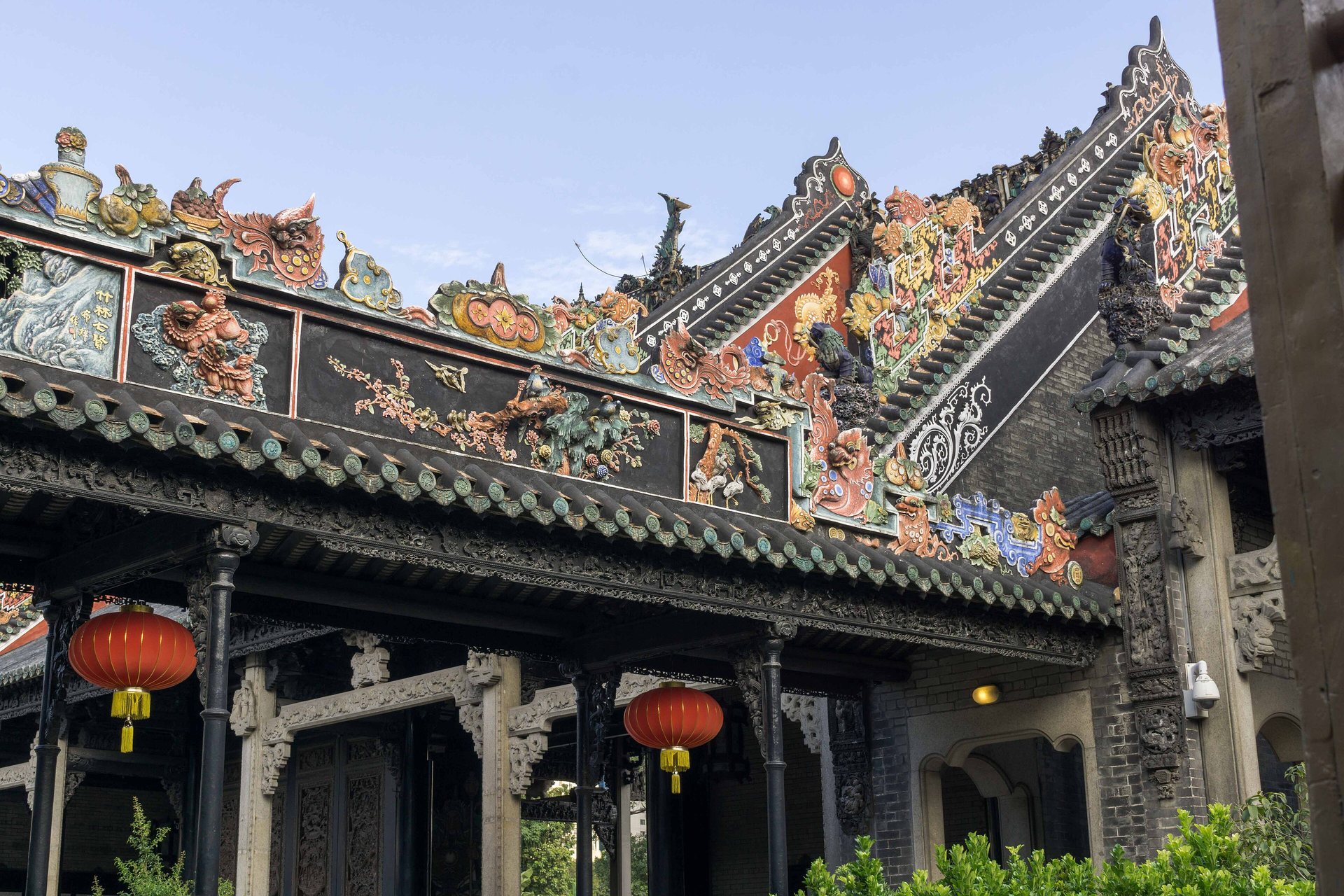
Meet Guangzhou
Guangzhou has faced outward through river and maritime trade for centuries, yet some of its clearest stories are worked into pottery, wood, brick, and lime. Start with the craft. Then follow it into the arcades, tea houses, markets, and waterfronts of a city still in motion.
More than 2,200 yearsA southern city shaped by administration, movement, and maritime exchange.
Look closelyPottery ridges, lime relief, and carved wood, stone, and brick make architecture speak.
Keep the differencesGuangfu, Chaoshan, and Hakka cultures meet here; they are not interchangeable.
Meet · a building full of hands
Chen Clan Ancestral Hall links clan organization, education, provincial-capital life, and skilled making. Look beyond the facade: figures, flowers, birds, animals, and landscapes move across several materials and techniques.
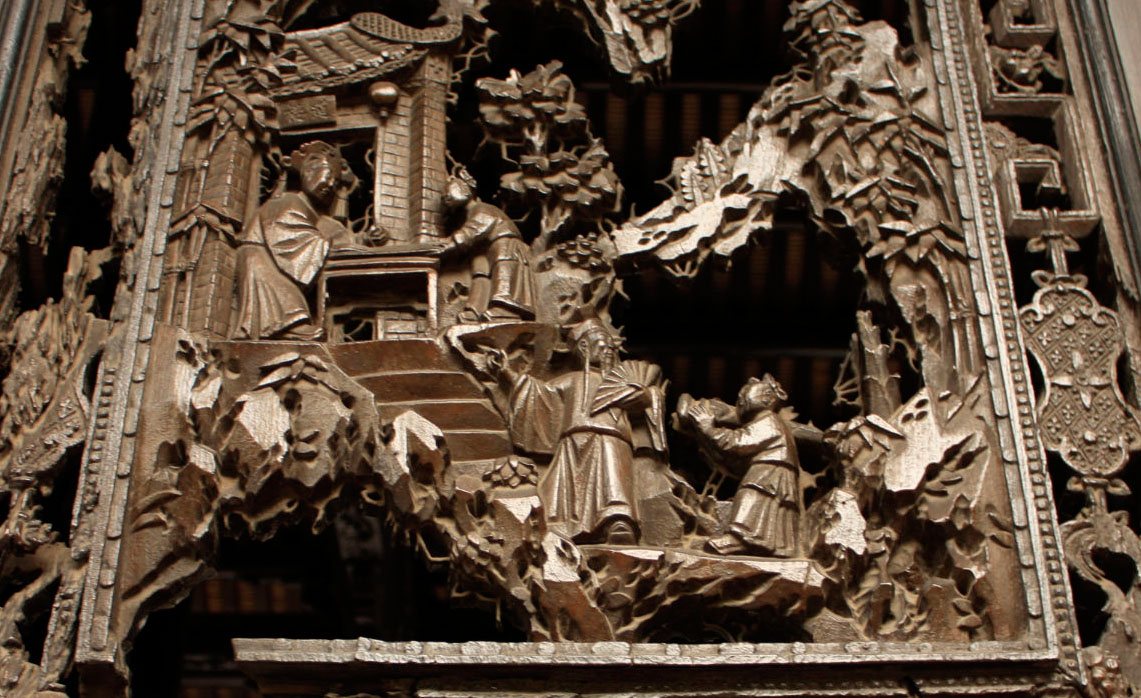
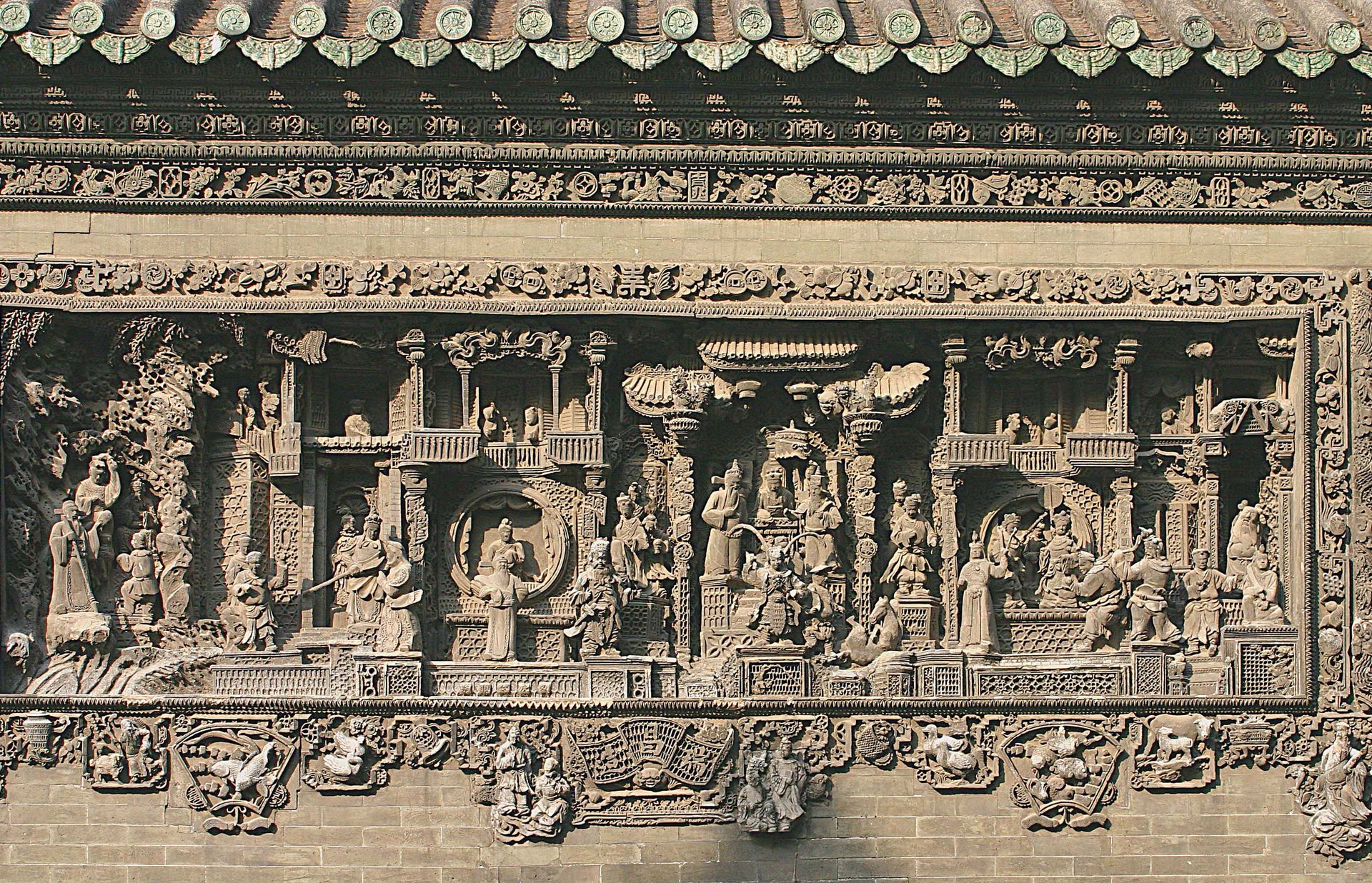
The bright figures along the roof are pottery ridge decoration. The building also contains lime-based relief work called huīsù. From a distance they can look similar; “porcelain carving” is not a useful label for everything colored.
See the closer rising-ridge detailLive · shade, rain, conversation
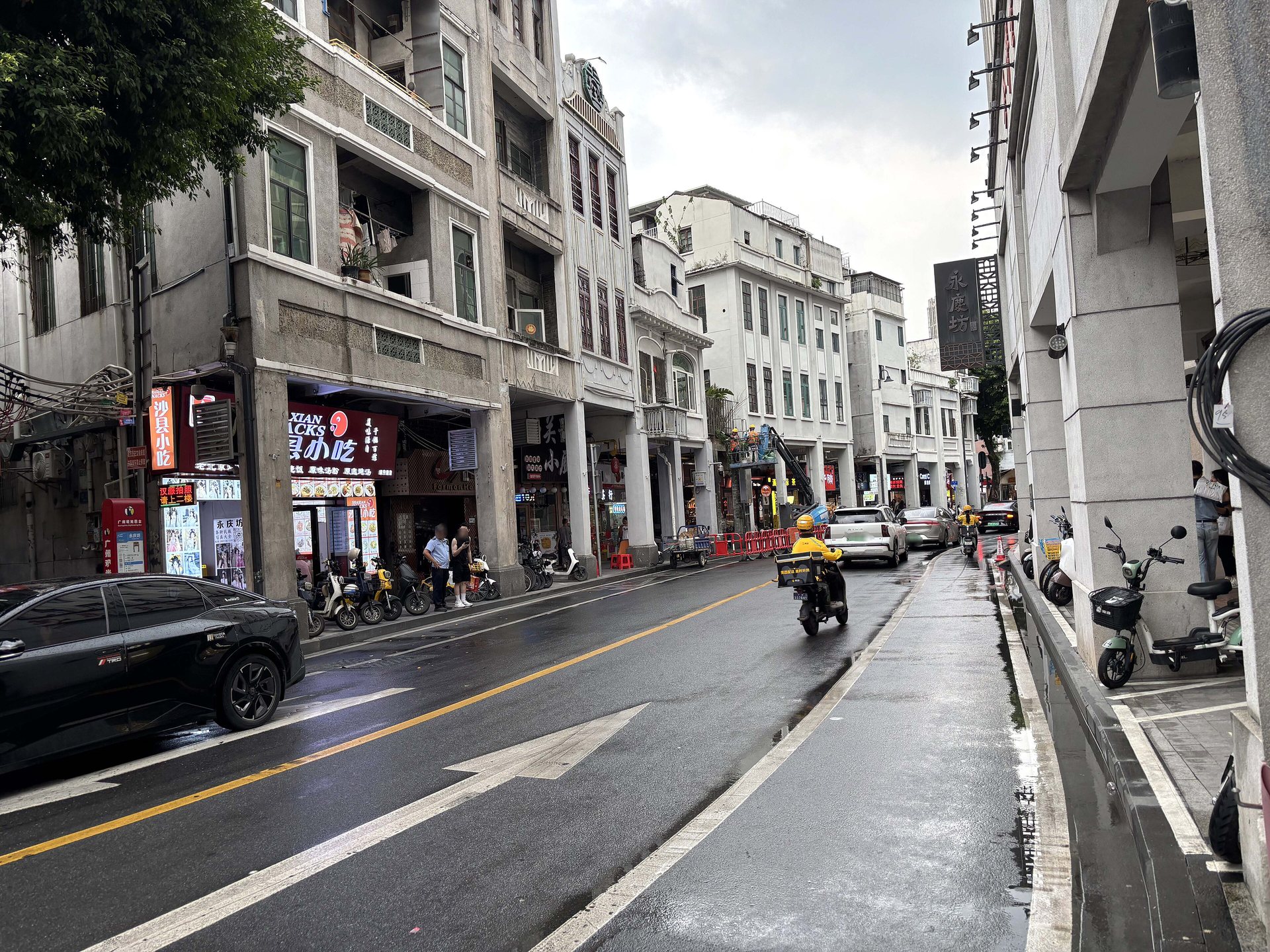
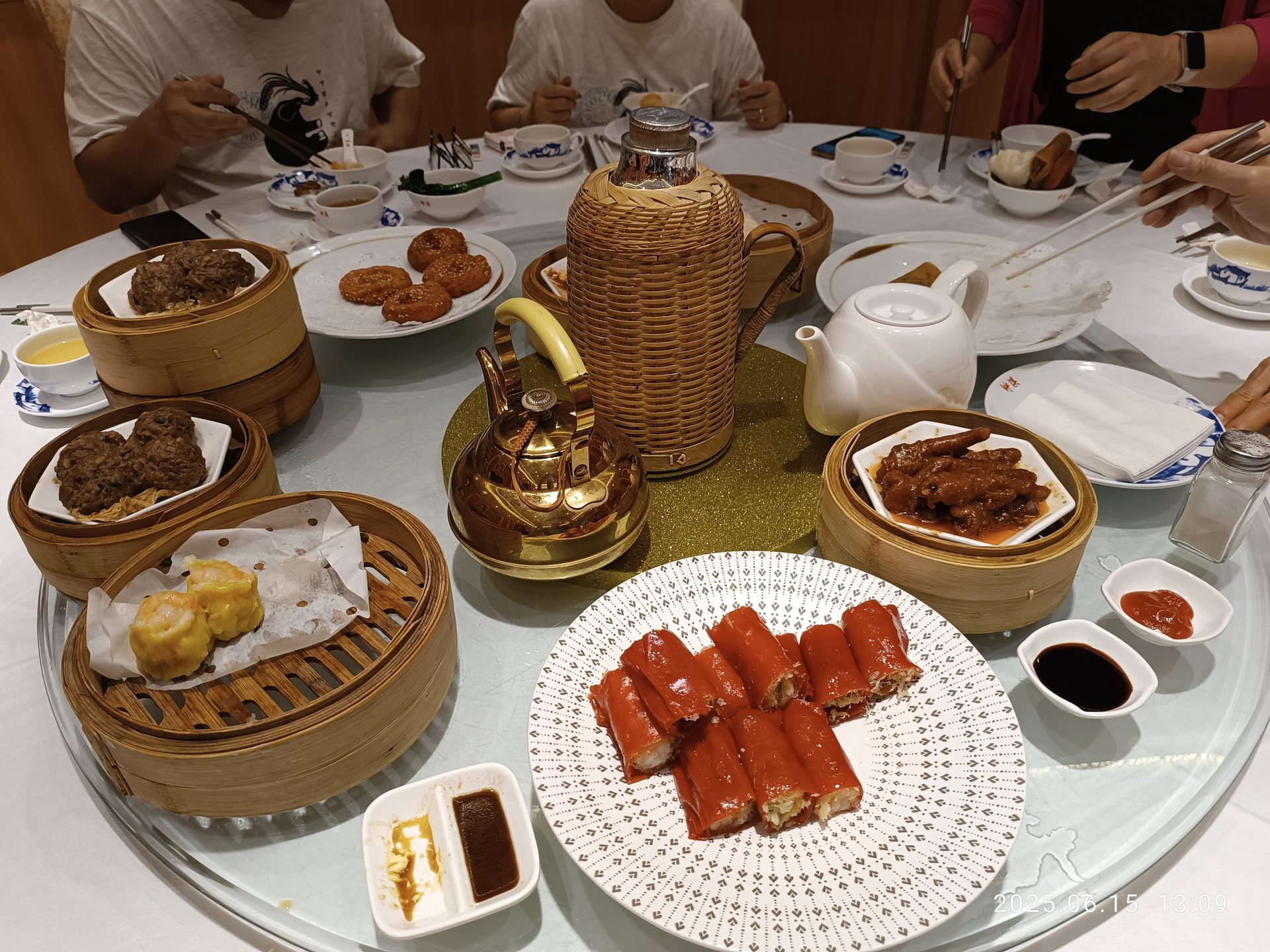
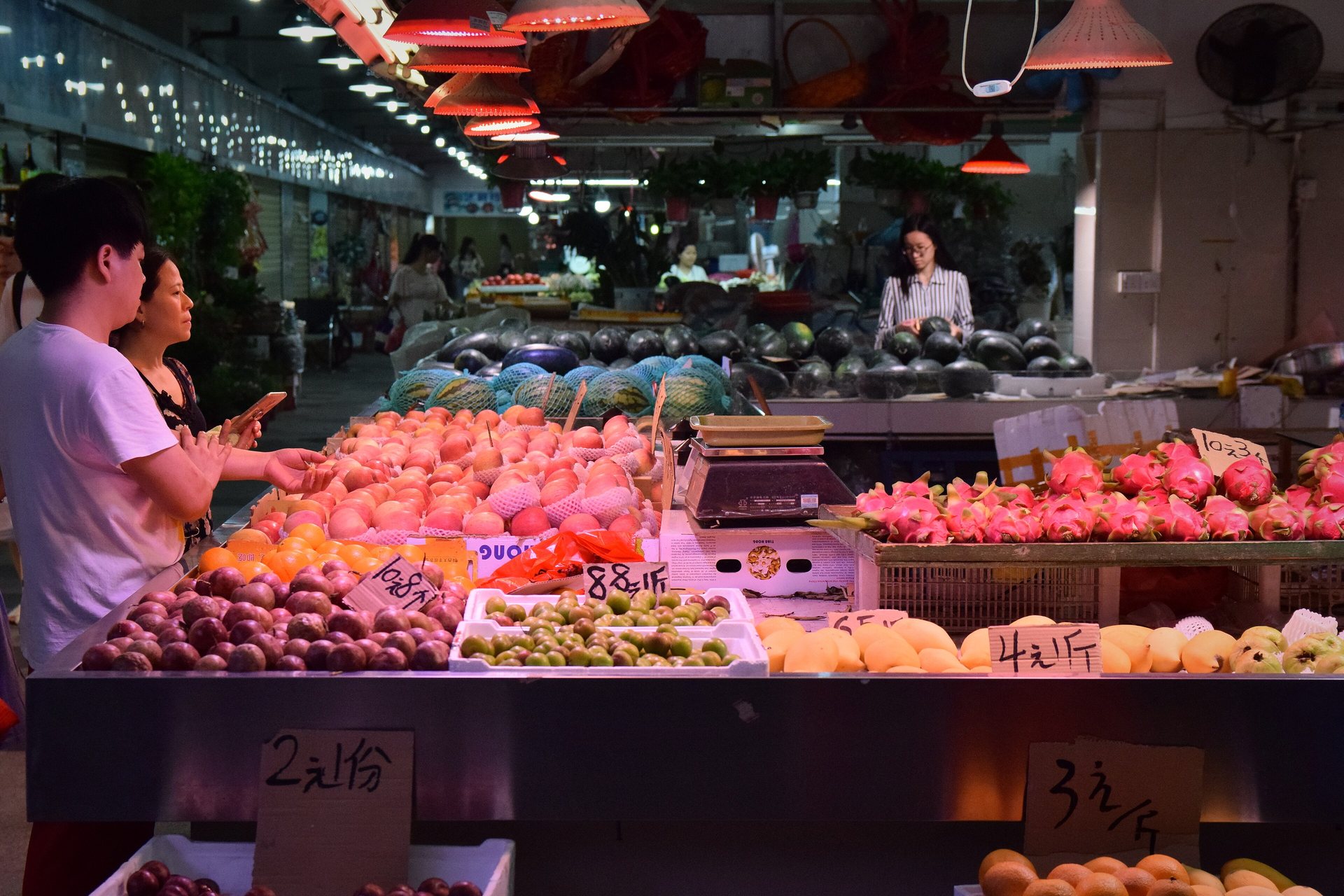
Guangfu culture is central to Guangzhou. Chaoshan and Hakka communities and traditions also meet in the provincial capital, but they have their own regions, languages, foodways, and migration histories. Do not flatten all three into one vague “Lingnan style.”
Four lenses
Meet gives the history a shape. Live stays with ordinary use. Plan works with weather and distance. Walk turns all three into days that leave room to notice.
Begin with the crafted roof ridges of Chen Clan Ancestral Hall, then widen the view toward the Pearl River and Guangzhou’s long outward-facing history.
Read the city storyArcades, markets, tea tables, Cantonese, banyan trees, and wet streets show how climate and commerce become daily life.
Join the tableKeep outdoor walking to the cooler edges of the day, leave an indoor pause at midday, and avoid crossing a huge city for one more name.
Plan the practical partsCraft and old streets; colonial history and the river; then public space in contemporary Guangzhou. Each day asks a different question.
Shape the first daysThree angles, not a citywide sprint
Guangzhou is large, hot, humid, and often wet. Keep each day coherent, move outdoor walking toward morning or evening, and leave one indoor pause that can absorb a weather change.
Prepare the tripStudy Chen Clan Ancestral Hall, then make a short transfer to Pantang. Walk from Liwan Lake and Lychee Bay toward Liwan Museum, the Cantonese Opera Art Museum, Yongqingfang, and Enning Road.
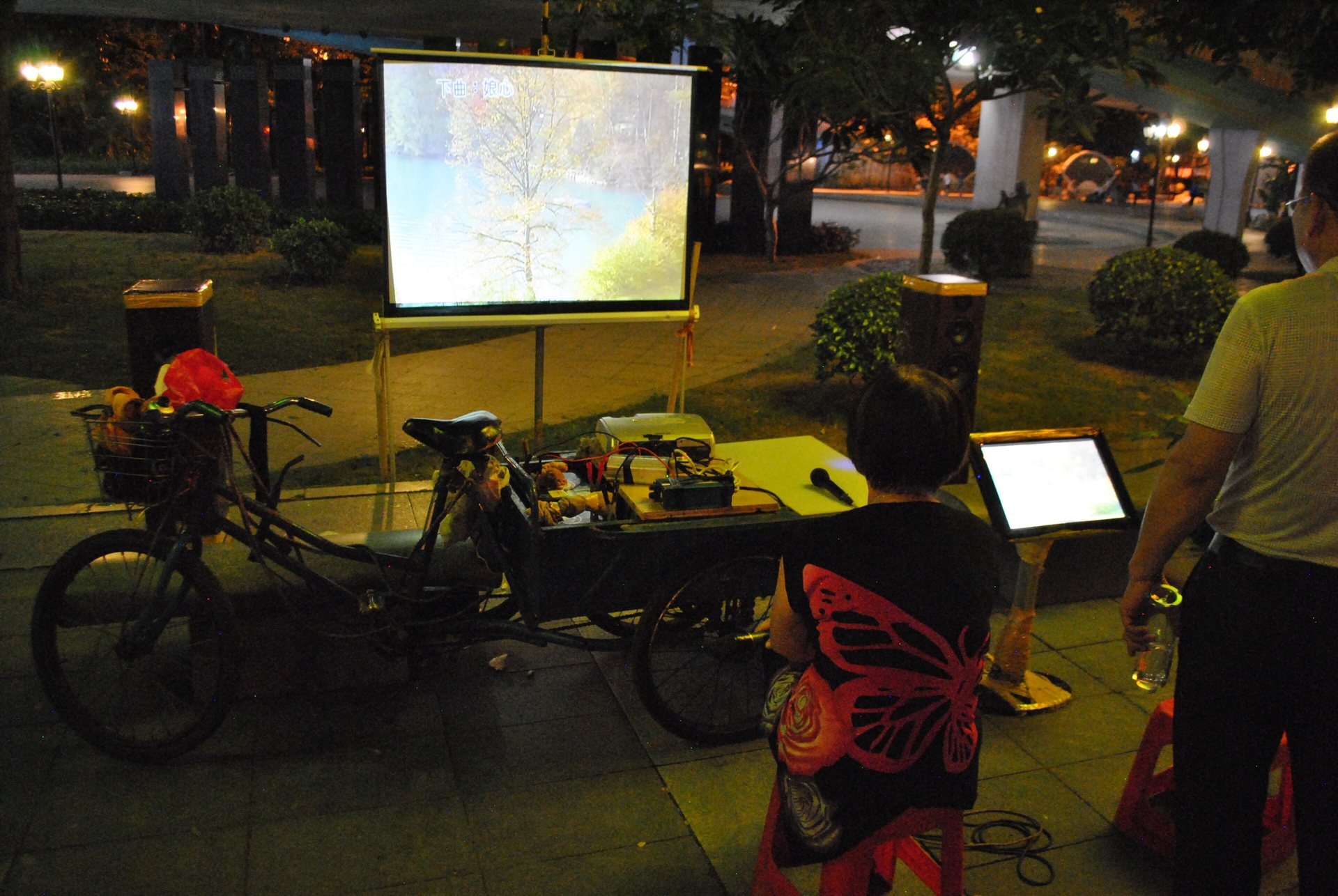
Use the Thirteen Factories Museum for context, then continue to the Yuehai Customs site, Xidi waterfront, and Shamian. The museum explains the trade network; Yuehai Customs and the Shamian group carry national heritage status.
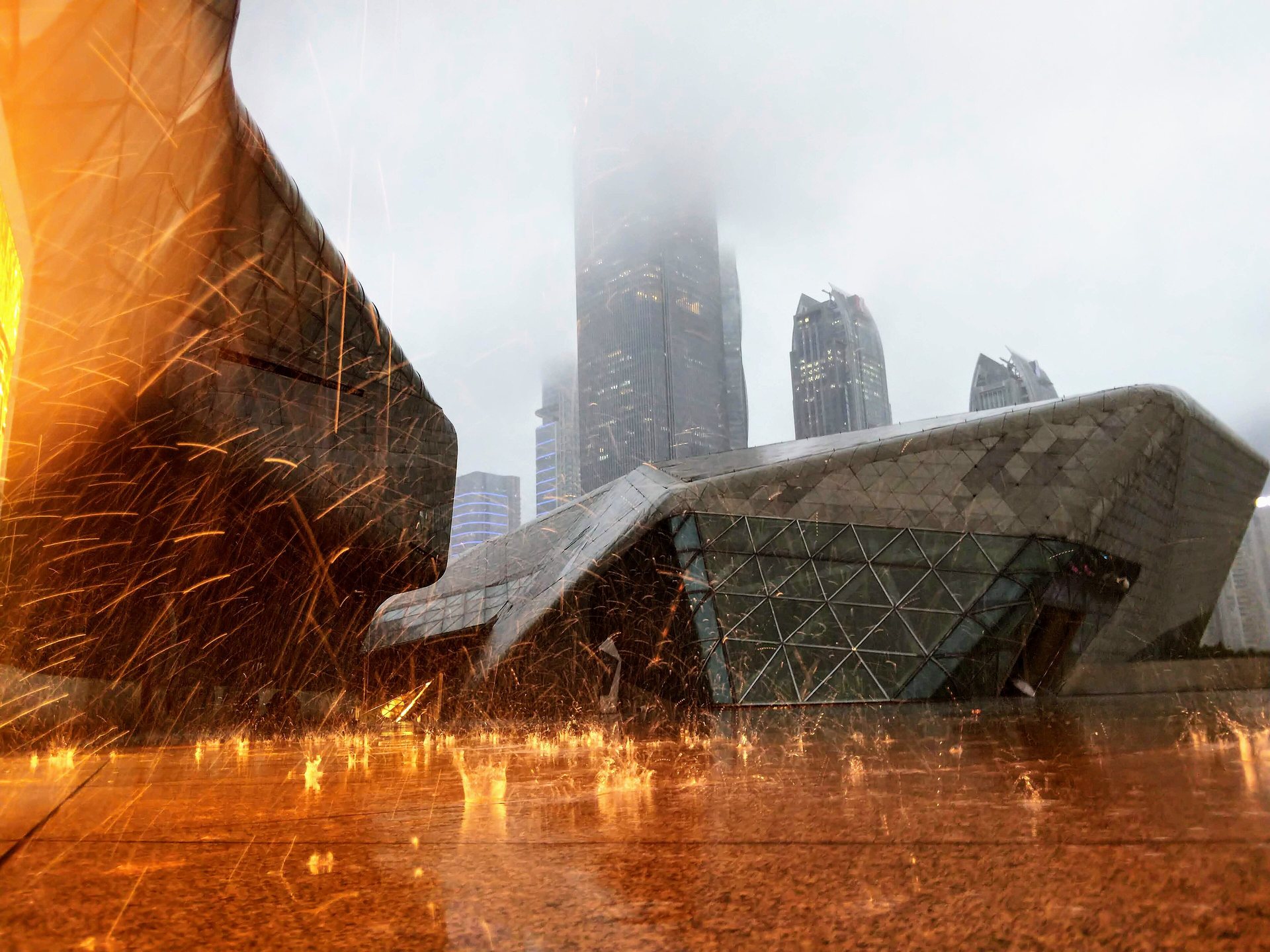
Keep Huacheng Square, Guangzhou Opera House, and Zhujiang New Town together. Notice rain, plazas, cultural buildings, and underground commerce—not only towers.
Not an empty new city
Zhujiang New Town is not just a skyline to photograph from across the water. Walk the plazas, cultural buildings, underground spaces, and wet edges that organize a contemporary day. Old Guangzhou and new Guangzhou do not cancel each other out.
Walk · heritage without the checklist
“Nearby” means the scale of Guangzhou’s old city, not that every protected place sits beside Chen Clan Ancestral Hall. Keep the walks separate, and name the protection level accurately.
Chen Clan Ancestral Hall → short transfer → Pantang and Liwan Lake → Liwan Museum → Lychee Bay → Cantonese Opera Art Museum → Yongqingfang and Enning Road.
One national heritage site anchors a route about how craft enters water, homes, opera, and street life.Thirteen Factories Museum → Yuehai Customs site → Xidi and the Pearl River → Shamian architectural group.
The museum provides context. Yuehai Customs and the 54-component Shamian group are the nationally protected sites.Guangxiao Temple → Six Banyan Temple Pagoda → Huaisheng Mosque Light Tower → Five Immortals Temple and Lingnan First Tower.
Treat this as a religion and old-city study, not another box-ticking day. Confirm access, etiquette, and photography rules first.Before the first humid morning