01PRODUCT
A device becomes a market
In Huaqiangbei, components, testing, repair, displays, buyers, and small orders can sit within a few blocks. Visit to trace a process, not to assume every counter has the lowest price.
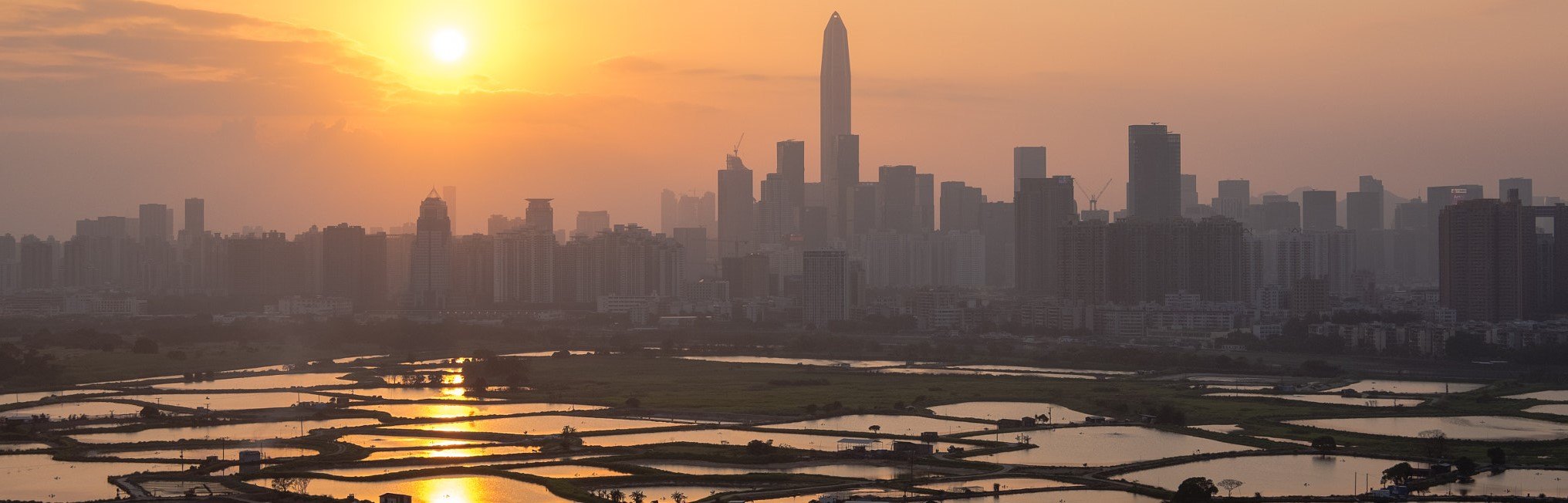
City desk 04 · Shenzhen
Shenzhen is not interesting because it finished becoming “the future.” It is interesting because products, jobs, streets, public space, and city culture are still visibly being assembled—and revised.
Before the SEZNantou, Dapeng, Hakka settlements, markets, and border histories were already here.
The great reorganizationShenzhen became a city in 1979 and a Special Economic Zone in 1980.
Do not flatten itSpeed changed Shenzhen profoundly. It did not create local history from nothing.
Meet · enter through a workbench
Shenzhen’s official English-language city-walk material calls Huaqiangbei “China’s No. 1 Electronics Street” and emphasizes electronic technology, fashion, design, culture, and innovation. On the ground, the district is dense, specialized, repetitive, and sometimes exhausting. That friction makes it legible.

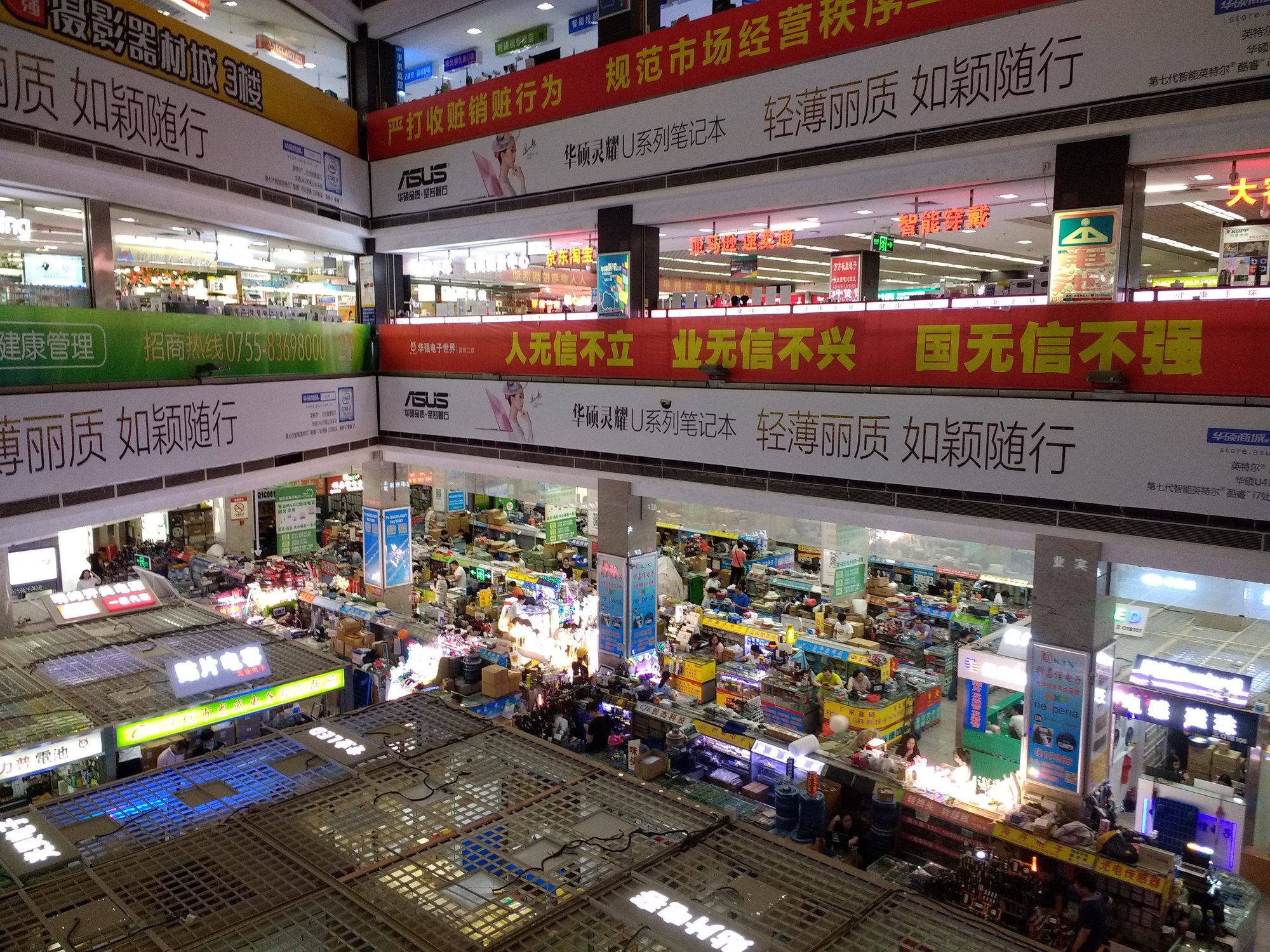
Pick a cable, camera part, tool, drone component, or repair need. Look for its versions, testing, repair, movement, and packaging. If you buy, choose something you can test and afford to lose—not a bargain story you need the city to prove.
Four acts of making
In Huaqiangbei, components, testing, repair, displays, buyers, and small orders can sit within a few blocks. Visit to trace a process, not to assume every counter has the lowest price.
Dafen puts copying, skilled labor, export history, original work, galleries, and a public museum in one neighborhood. The tension is the point.
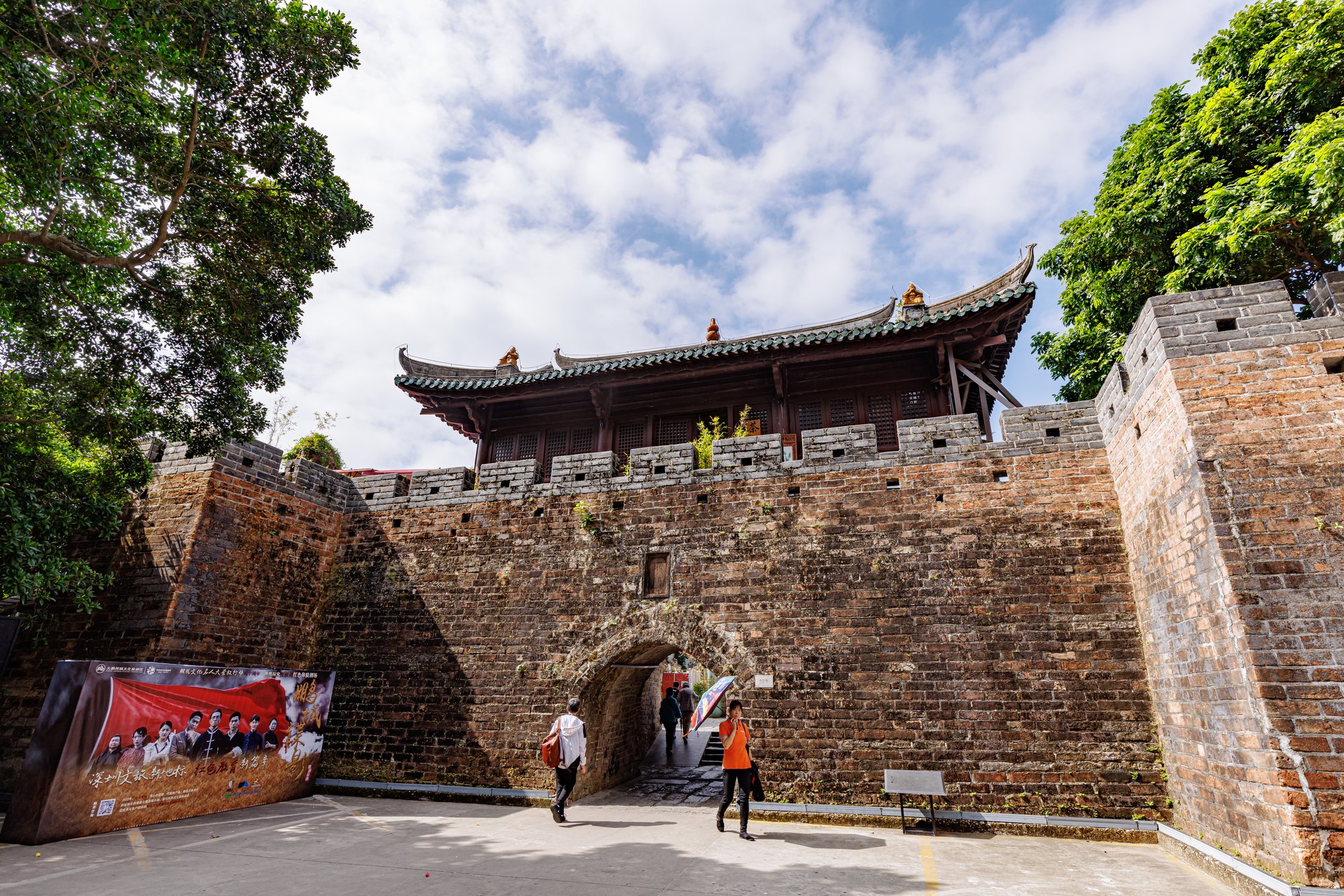
Nantou is not a perfectly preserved ancient town. Its gate, walls, dense housing, exhibitions, shops, and recent renewal show how one place is repeatedly reassigned.
People brought languages, recipes, skills, and ambitions from across China and beyond. Shenzhen culture is not an absence; it is something still being negotiated.
Live · labor and reuse
Dafen and Nantou are often photographed for color and atmosphere. They become more interesting when you ask what work is being done, what has been changed, and who still uses the space after the photograph.
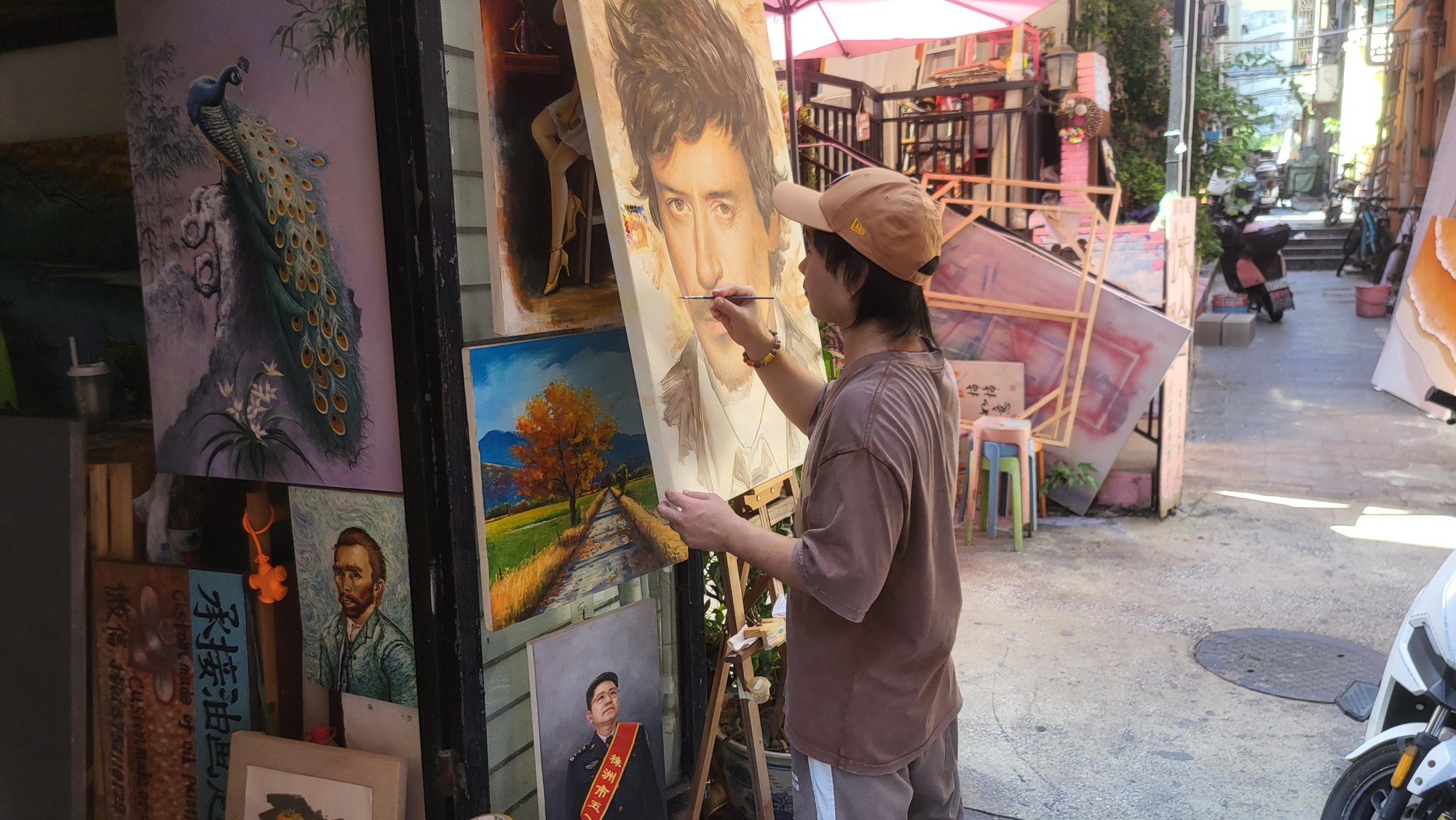
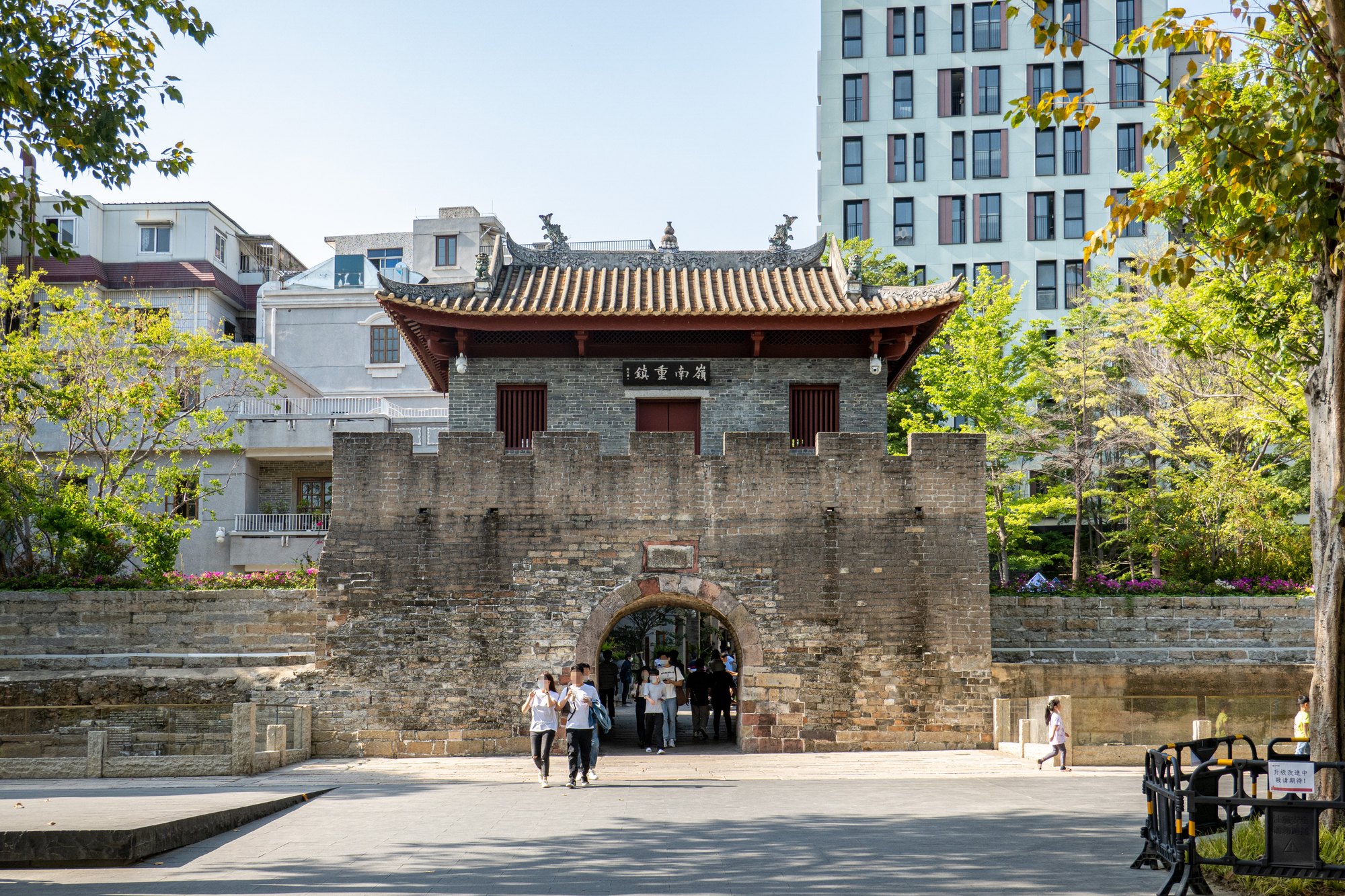
Dafen is usually a focused one-to-two-hour visit, not an all-day art capital. Nantou is a repeatedly transformed urban district, not a completely preserved ancient town. Those limits make both places easier to understand.
Three questions, with the transfers shown
Each day has one walkable observation area, then an explicit metro or car transfer. Check current opening, reservation, weather, and route information before setting the order.
Prepare to movePair Huaqiangbei Museum with the electronics district, then change areas by metro for a reform-and-opening or urban-planning exhibition and the civic landscape around Lianhuashan. The morning stays at product scale; the afternoon pulls back to city scale.
Read Nantou through its gate, wall remains, exhibitions, residences, and commercial renewal. Have one meal that reflects migration into Shenzhen, then take the metro or a car to Shenzhen Bay near sunset. These are two walkable areas with a transfer between them—not one continuous walk.
Give Dafen one or two focused hours, including the museum when open, then use Metro Line 3 to continue toward Dongmen. This day follows craft, orders, markets, and consumption rather than collecting colorful walls.
Day 03B · replace, do not append
Dapeng Fortress is one of Shenzhen’s three nationally protected cultural-heritage units and an important source of the city’s nickname, Pengcheng. Pair the fortress and its museum with a weather-dependent piece of the eastern coast. Do not bolt it onto a central-city day: the distance is part of the decision.
The other two nationally protected units are the boundary markers on Zhongying Street and the former headquarters of the East River Column at Tuyang. Protection status does not make either a frictionless first-visit stop; current access and purpose still matter.Read the labels carefully
Use Huaqiangbei Museum for the electronics district, Dafen Art Museum for the painting economy, Nantou exhibitions for the old county and pre-SEZ layers, and Dapeng’s museum for coastal defense.
Dapeng Fortress, Zhongying Street’s boundary markers, and the Tuyang site are nationally protected. Nantou’s city wall is protected at Guangdong provincial level.
Markets, workshops, gates, shops, housing, parks, and waterfronts matter because people still work and live through them—not because every place needs a heritage label.
Before the first transfer